Hello, everyone!
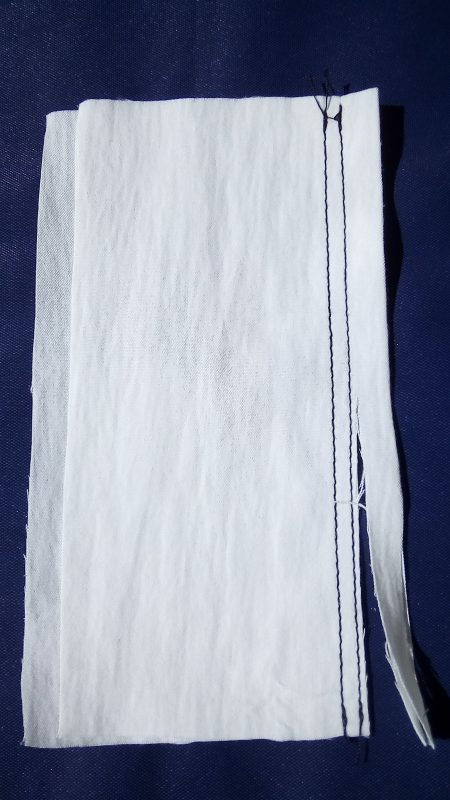
Overedge seams are very narrow and never more than 6 mm wide. It is used in garments that must have a minimum bulk. A zigzag or an overlock (serger) stitch is used for most overedge seams.
Hairline seam:
The hairline seam can be used for collars, cuffs, and facings. This seam is stitched with a narrow zigzag stitch, then trimmed close to the stitching.

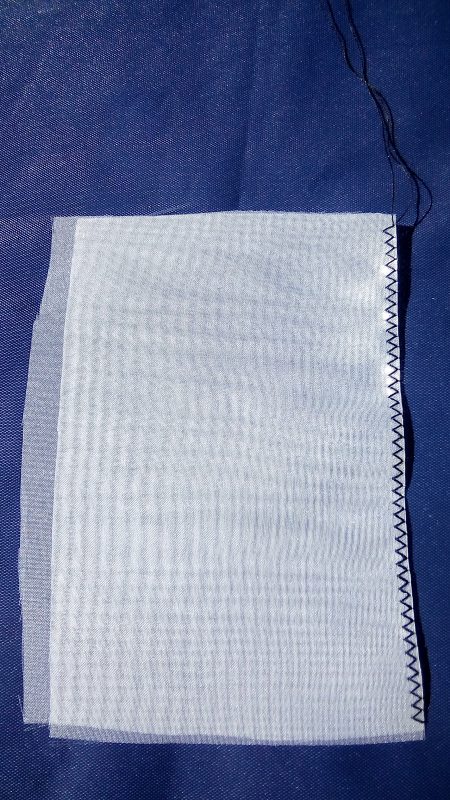
Bias edge to bias edge:
When joining two bias edges, first tack the two edges together, then stitch without stretching the fabric. Use a shorter stitch than usual, thus reducing the risk of stitches breaking during wear.
A lengthwise seam must be tacked and hung overnight so that it can stretch before sewing the seams.
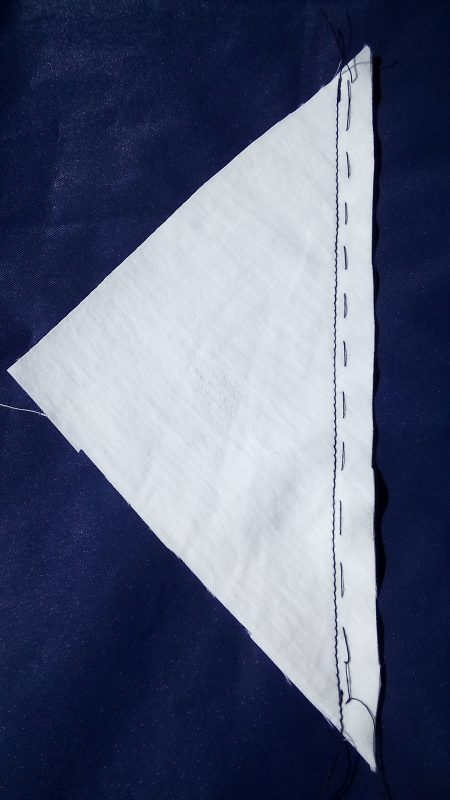
Bias edge to straight edge:
When joining a bias edge to a straight edge, take care not to stretch the edge that is biased, as the seam will not lie smooth. It will ripple.
Pin the bias edge to the straight edge, placing pins perpendicular to the seamline, approximately 6 cm apart. Stitch the seam with the bias edge on top, and remove the pins as you stitch.
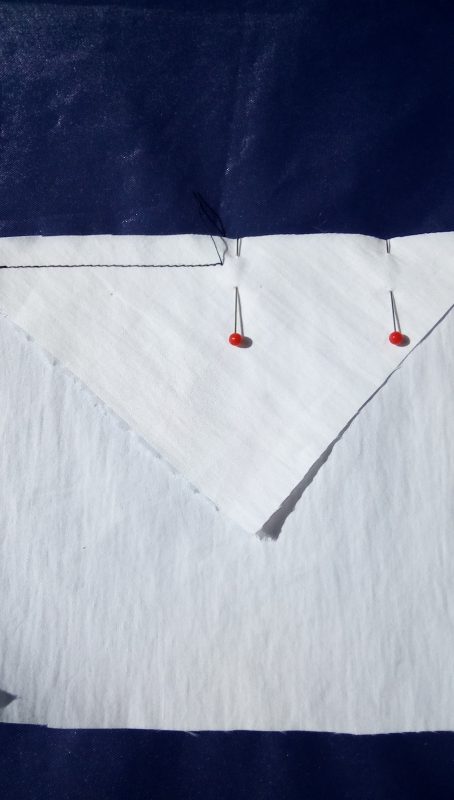
Double-stitched seam:
Double-stitched seams are a good choice for textured, sheer fabrics such as heavy lace. Trim seam allowances close to the stitching. Press the seam to one side.