Hello, everyone!
I used Crinkle Chiffon for this dress, which is lightweight and super soft against the skin. I drafted a circular skirt pattern and finished the hem off with a rolled hem.


The gentle sea breeze provided some relief from the 40-plus-degree outside temperature.


Rolled Hemming With Three-Thread Overlocking
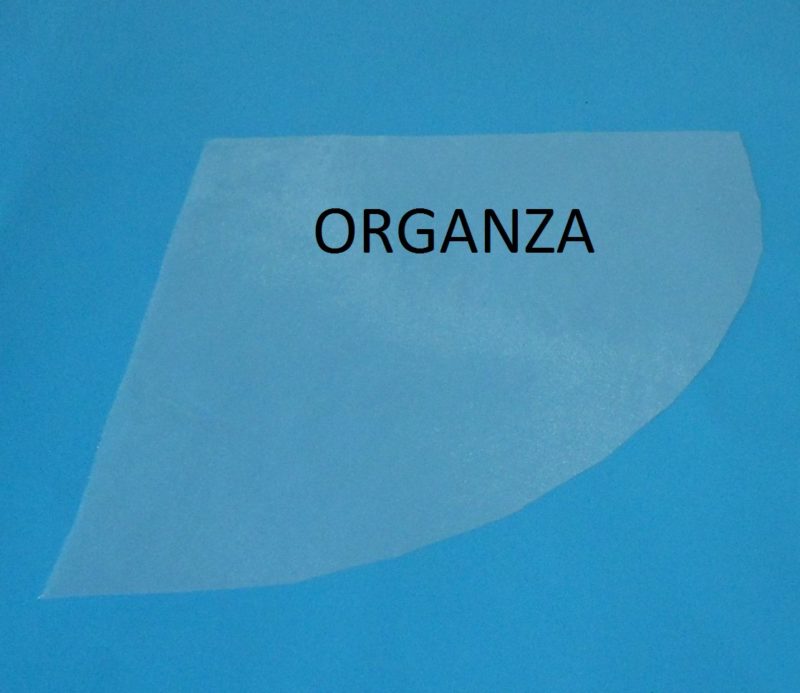
This is a very decorative finish for edges on blouse frills, napkin edges, dresses, some circular skirt hems, tablecloths, and veil edges. Lightweight fabrics such as Chiffon, Organza, Voile, Crepe, and Georgette are suitable for rolled hemming. Rolled and narrow hemming must be done on the RIGHT side of the fabric.
Overlocker Set-Up:
Read your overlocker user manual before setting up the desired hemming stitch.
Remove the left needle completely. Move the front lever marked R forward for rolled and narrow hemming. In older overlockers, the stitch plate has to be replaced with the plate marked R. Set the stitch length to 1. Tighten lower looper thread tension to 7. Set the upper looper thread tension to 5 and the needle thread tension to about 5. Decorative thread can be used in the loopers. The cutting knife must be engaged. It is best to run a test on scrap fabric, as machine models and settings tend to differ.
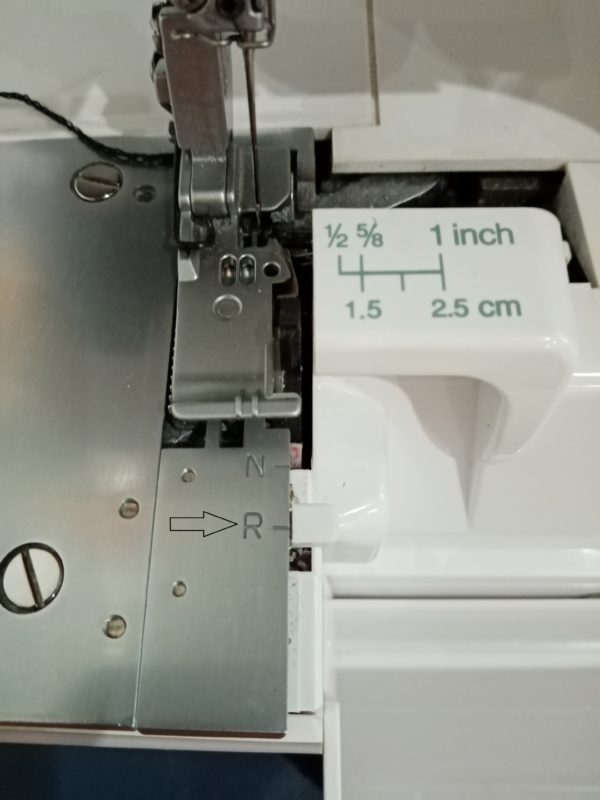
Gently guide the fabric through without pulling while sewing, if a straight edge is required.

For a wavy edge effect, the fabric must be cut on the bias and stretched with the index finger and thumb while sewing. A fishing line can be used between the presser foot and cutting knife, taking care not to cut the fishing line while sewing. This method is often used in veiling, sheer skirts, and dress hems.

Narrow Hemming With Three-Thread Overlocking
This hemming is suitable for medium-weight to heavyweight fabrics like Taffeta, Sateen, Brocade, and Poplin. This hem is slightly wider than the rolled hem since the fabric is not rolled. The overlocker setup is the same as for the rolled hemming, but the looper and needle thread tension remain the same as for regular three-thread overlocking. Set the stitch length dial to between 1.5 and 2. Use the R setting or change to the R stitch plate. Use the regular three-thread overlocking setting for your machine. Sew a test sample first with scrap fabric to obtain the desired effect.

Leave a long thread chain at the completed edge and place a drop of fabric sealant (Fray Stop) on the edge. Leave it to dry completely before trimming the thread chain. This will prevent the end from unraveling.
